

Latest reproductions



Latest posts

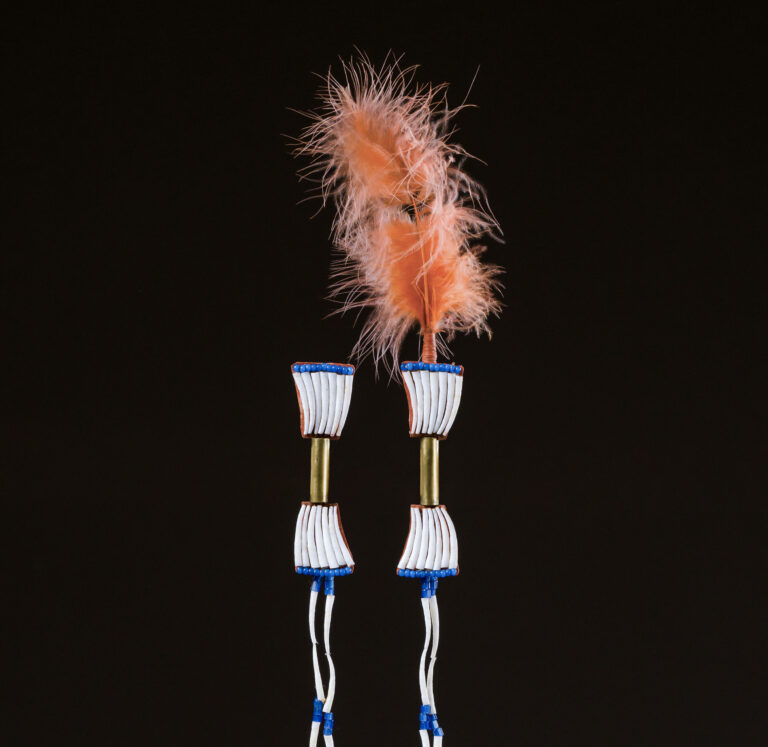
“Hair bows” is the designation for American Indian paired head ornaments. These ornaments were popular during the first half of the 19th century among many tribes of the Northern Plains. They were attached to small braids at the temples or along the hairline and secured with wooden pins. During the second half of the 19th century, they came out of fashion among most tribes. However, the Crow Indians continued to use them and still do to this day.

Achieving true historical accuracy requires a ruthless commitment to material truth that few modern makers manage to sustain. This analysis deconstructs the seven primary “sins”—from inauthentic materials to sterile design—that compromise the integrity of Plains and Woodland reproductions. It serves as a necessary intervention for those seeking to bridge the gap between amateur mimicry and the soulful reality of 18th and 19th-century craftsmanship.

Beads manufactured nowadays differ from those made one or two hundred years ago, particulary in colour shades and shape. Antique beads were all of European origin and made of glass. The articless discusses history of seed and pony beads and differences between historic and modern beads colours and shapes. It contains images of many Plains Indians pre-reservation items and list of the most widespread 19th century bead colours.

Since I got a Kibler long rifle, I decided to make a case for it. The rifle suffers a lot on reenacting camps and a case can help, is practical and can be nice. The choice fell on a gun case in the Indian style of the Athabascan speaking tribes. Such gun cases are simple, historically accurate and practical as well as pretty.

This article examines the history, manufacture, and cultural significance of woollen cloth with white undyed “saved lists,” a distinctive feature highly valued by the Plains Indians from the 18th to 19th centuries. It explores the English origins of the cloth, traditional natural dyes (notably indigo and cochineal), the economic reasons for preserving undyed selvedges, and how Indigenous peoples transformed these waste edges into prominent decorative and symbolic elements. The persistence of this design feature—maintained even after synthetic dyes rendered the practice obsolete—reflects both its aesthetic appeal and its enduring role in trade relations.

Strike-a-light bags, common among 19th-century Plains Indians, served both practical and decorative purposes, protecting fragile steel fire strikers while showcasing intricate beadwork, tin cone ornaments, and tribal designs. Originating likely among the Kiowa and Comanche, these trapezoidal leather pouches—often made of tough commercial cowhide—were crafted primarily by women and traded widely across the Plains, becoming both utilitarian tools and works of art.